Everything between a sentence and a factory floor.
Seamix is one tool that does the job a tech pack studio does: it reads what you want to make, works out how it has to be built, calculates every measurement, draws every view a factory asks for, checks its own work, and hands you the folder. Here is the whole of it.
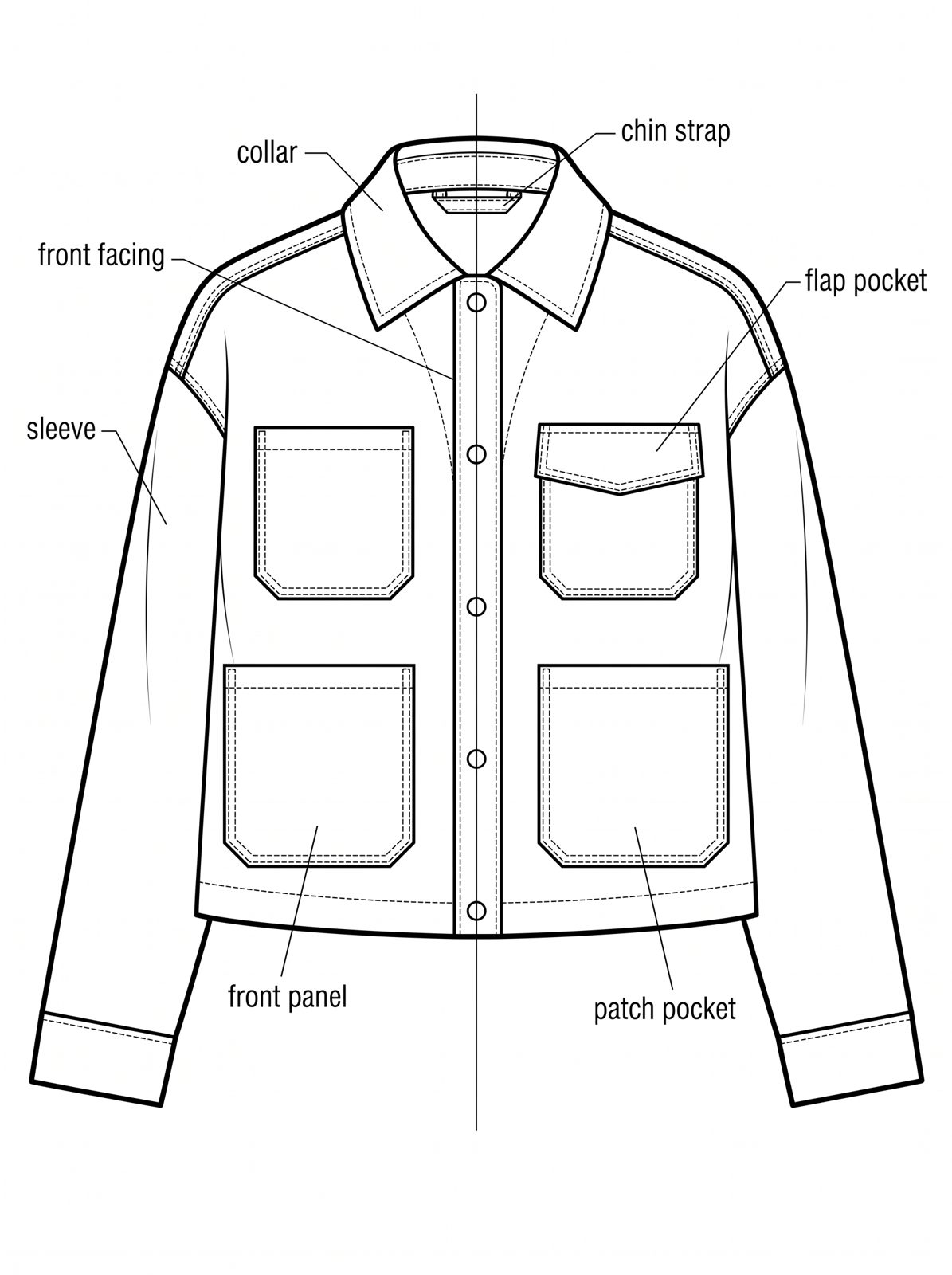
What there is to look at.
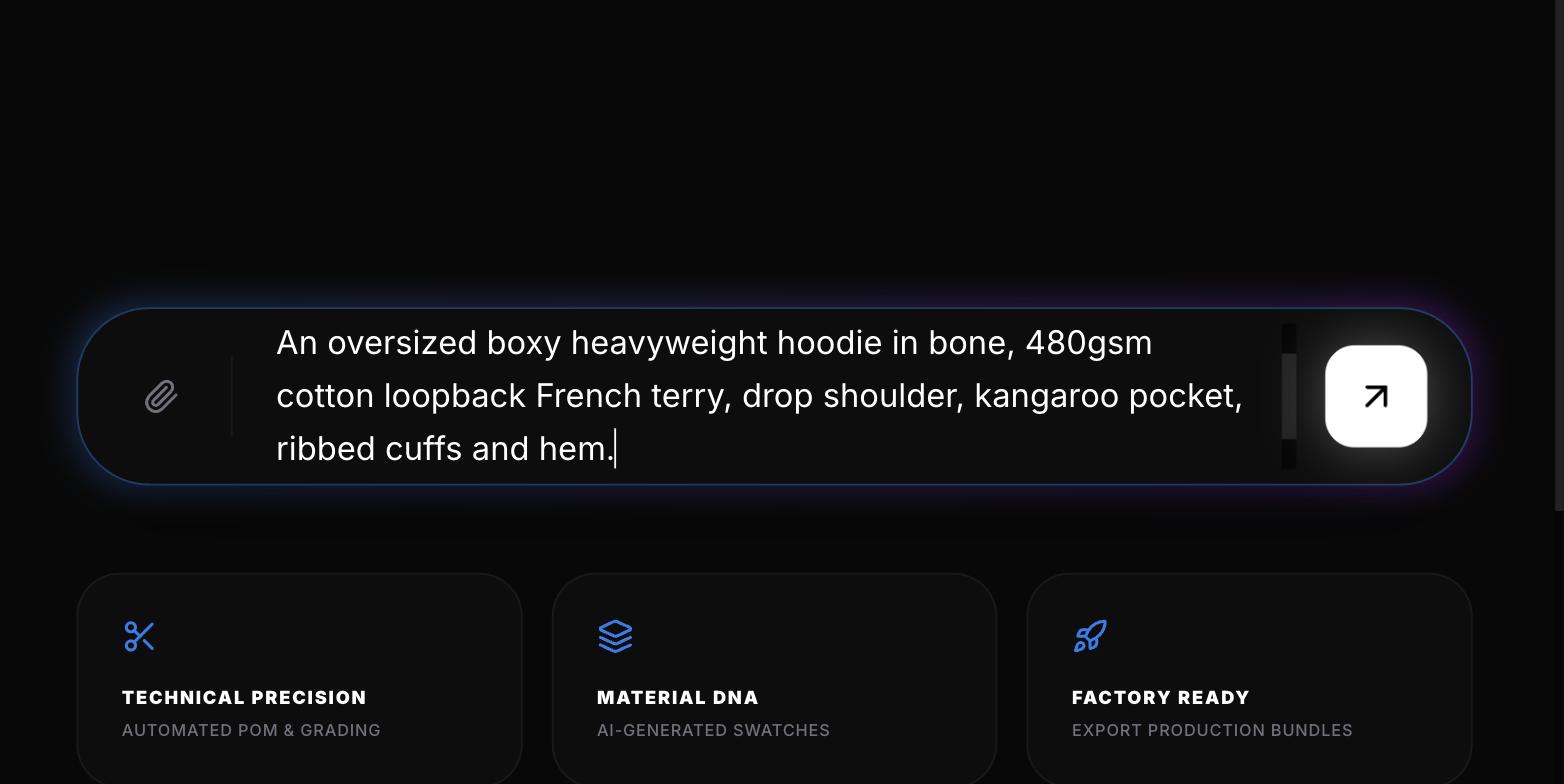 01 / The Studio14things you can correct
Where you say what you want
Type a brief. Before a single line is drawn, Seamix shows you what it understood — garment, silhouette, sleeve, collar, closure, lining, seam finish — as lists you can change. It can never hold a decision you never made and couldn’t see.
How the Studio works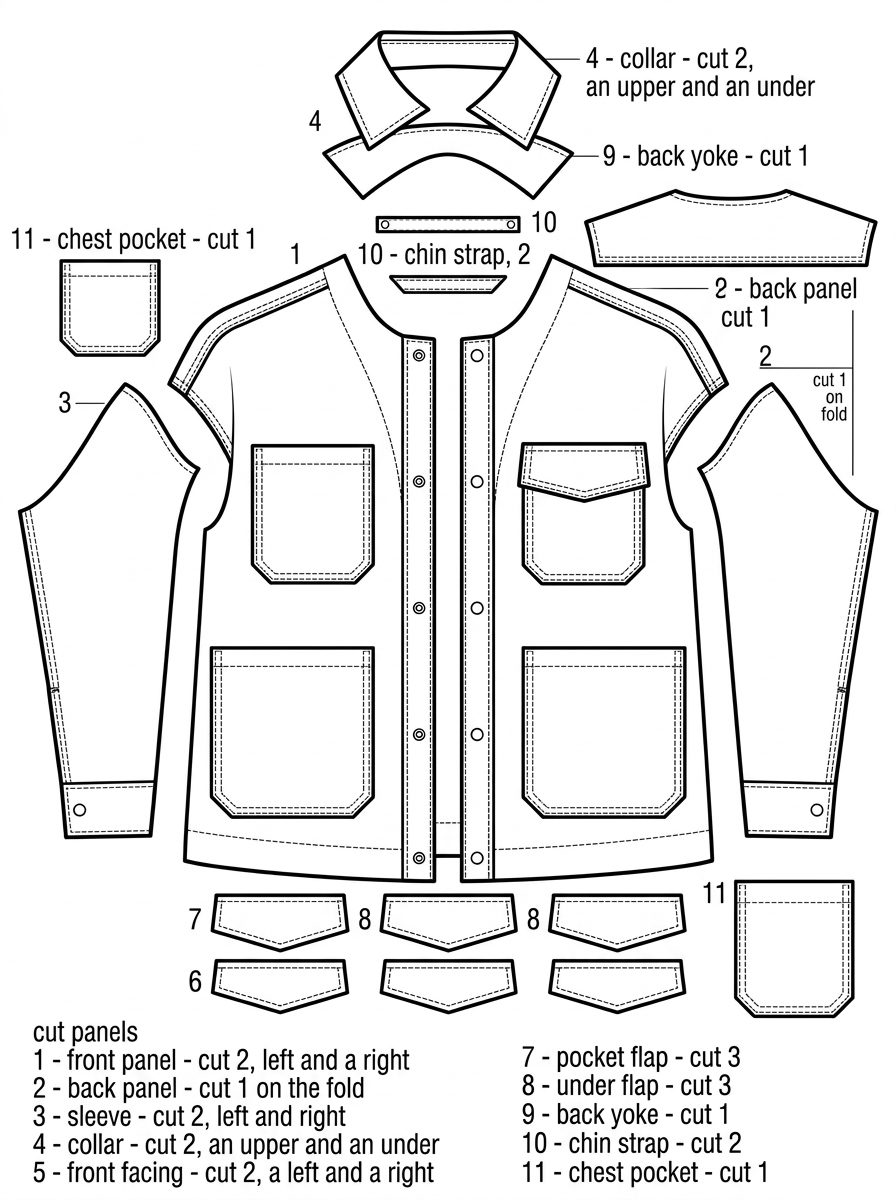 02 / The pack7sections, all included
What lands in your folder
One ZIP: a multi-page PDF laid out the way a tech pack is laid out, every drawing at full resolution, and the raw data file. Identity, elevations, internal architecture, components, bill of materials, measurements, sewing sequence.
Open a real pack Live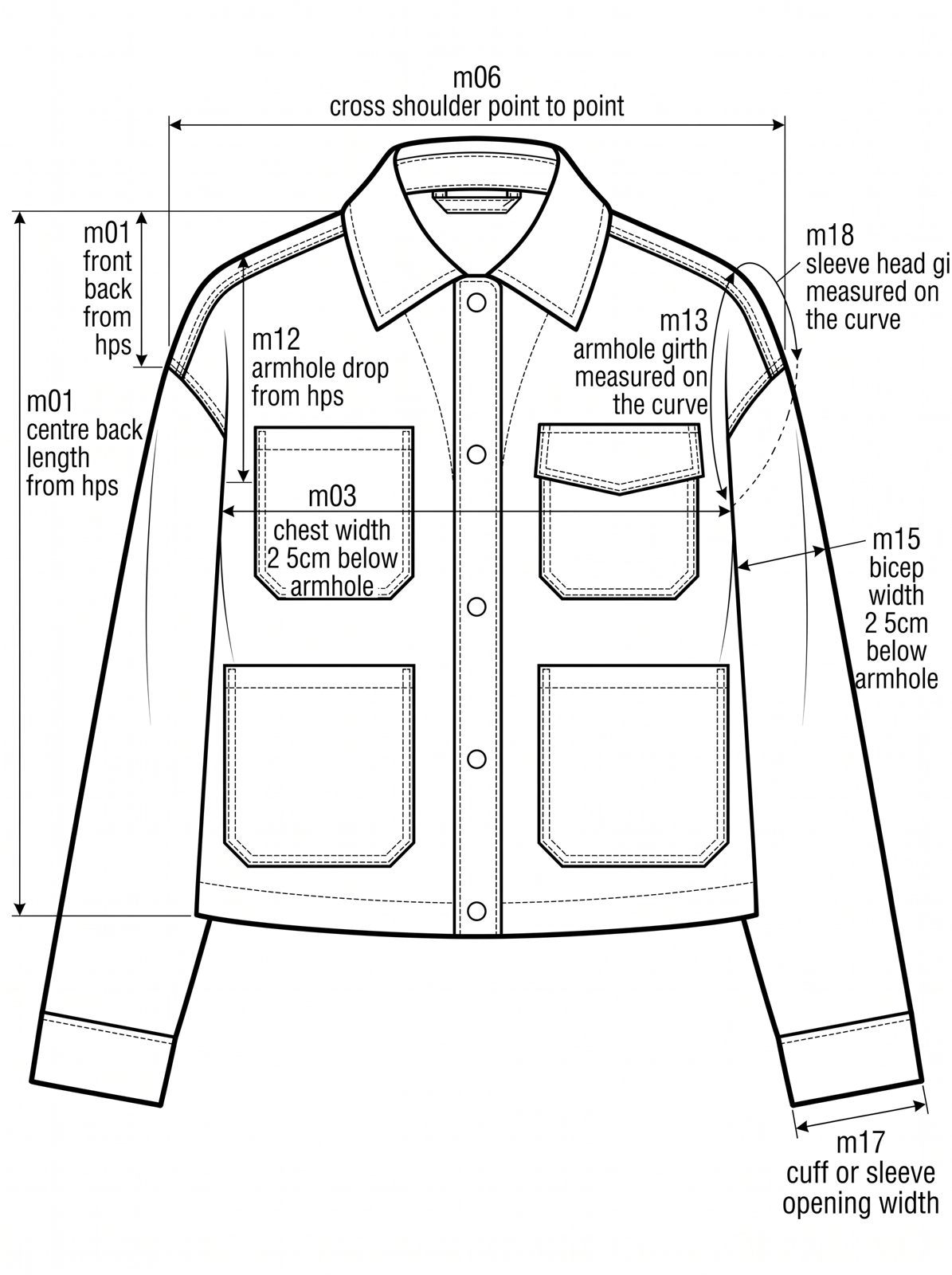 03 / Accuracy1,127checks, all passing
Why the numbers can be trusted
The AI never picks a measurement. It works out what you meant; arithmetic written by hand does every number. Then 25 rules run over the result, and the drawings themselves get measured before anyone sees them.
Where the numbers come fromSix stages. Only two of them are AI.
This is the part most people get wrong about tools like this. The language model is used where language is the problem — understanding you, and looking at a picture. Everywhere else, it is ordinary code doing ordinary arithmetic, which is the only reason any of it can be checked.
Your sentences become a specification: which garment, which shape words, which construction.
AIEvery choice is checked against what the pattern block permits. An illegal garment cannot even be written down.
CodeBase body, ease tables and grade rules turn shape words into a full measurement chart across the size run.
CodeEach drawing is built from the real numbers and the rules derived from your spec — never from a loose sentence.
AIInk measured on every sheet, closed yes-or-no questions on every drawing, 25 rules on the chart.
CodeAll checks passed, passed with notes, issues to fix, or incomplete — computed from what actually happened.
CodeA full pack takes the Studio about twenty-two minutes. Generation time varies with load.
Ten pages, drawn from three sentences.
This is every page of CJ‑001, the boxy chore jacket, in the order the export writes them. Nothing here was drawn by hand or tidied up afterwards — it is one run, as it came out.
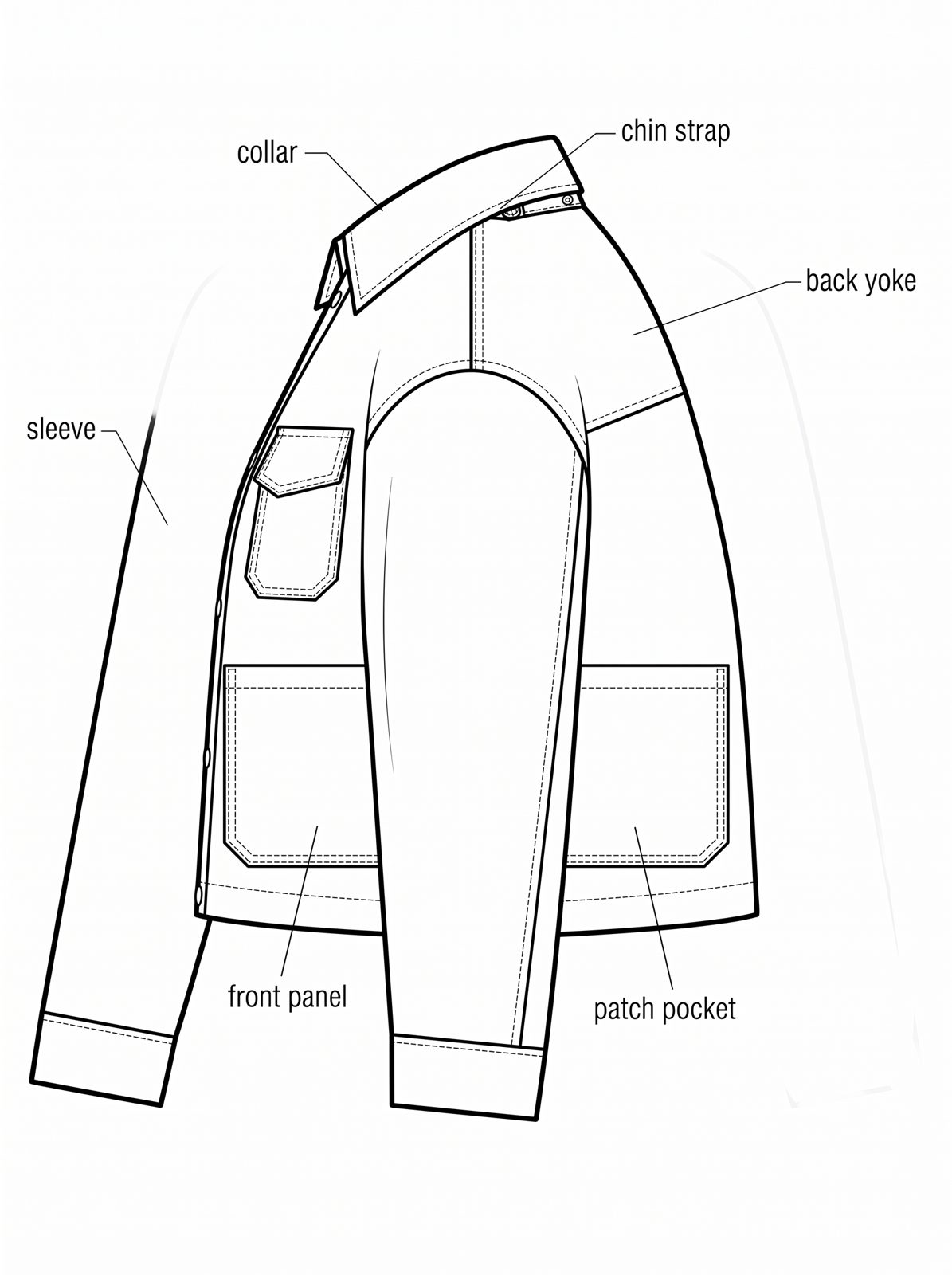
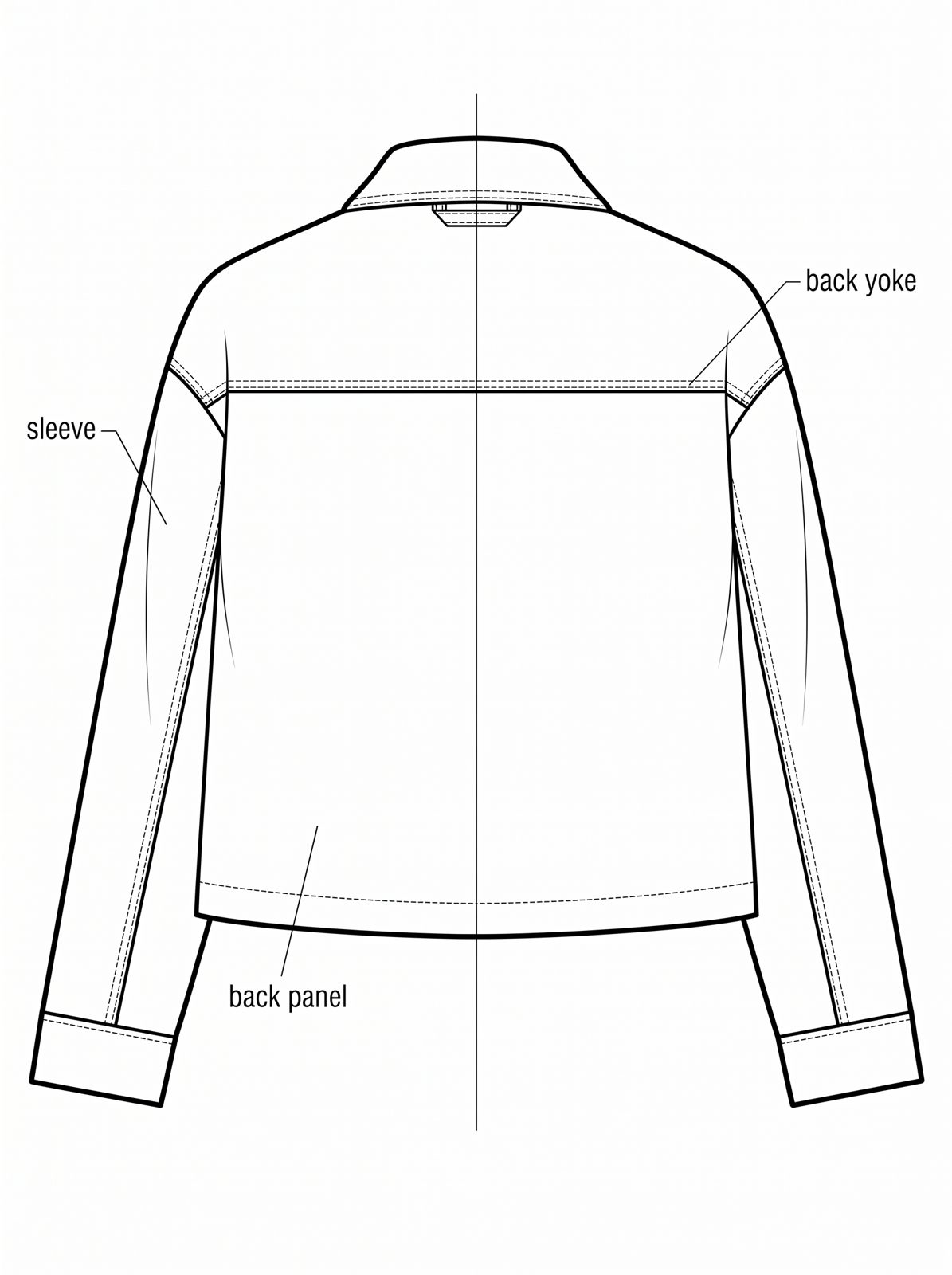
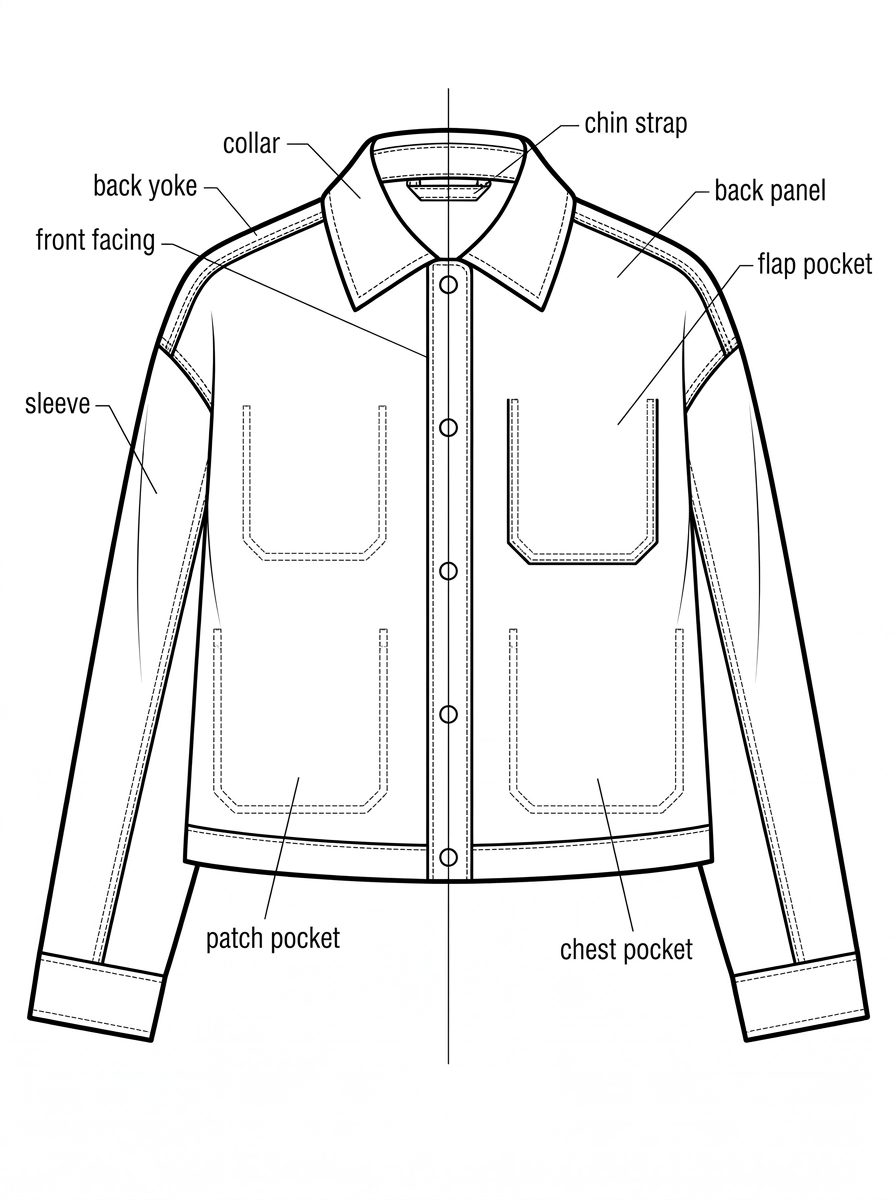
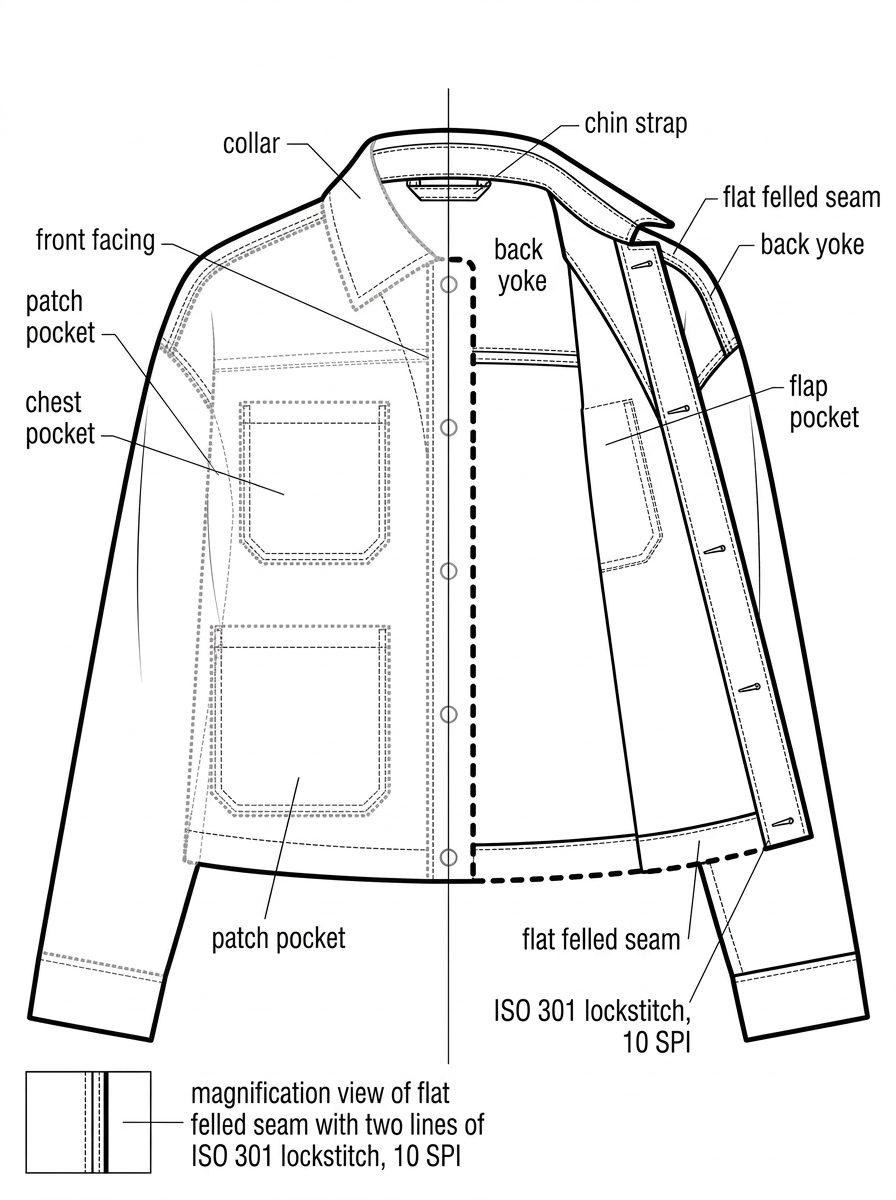
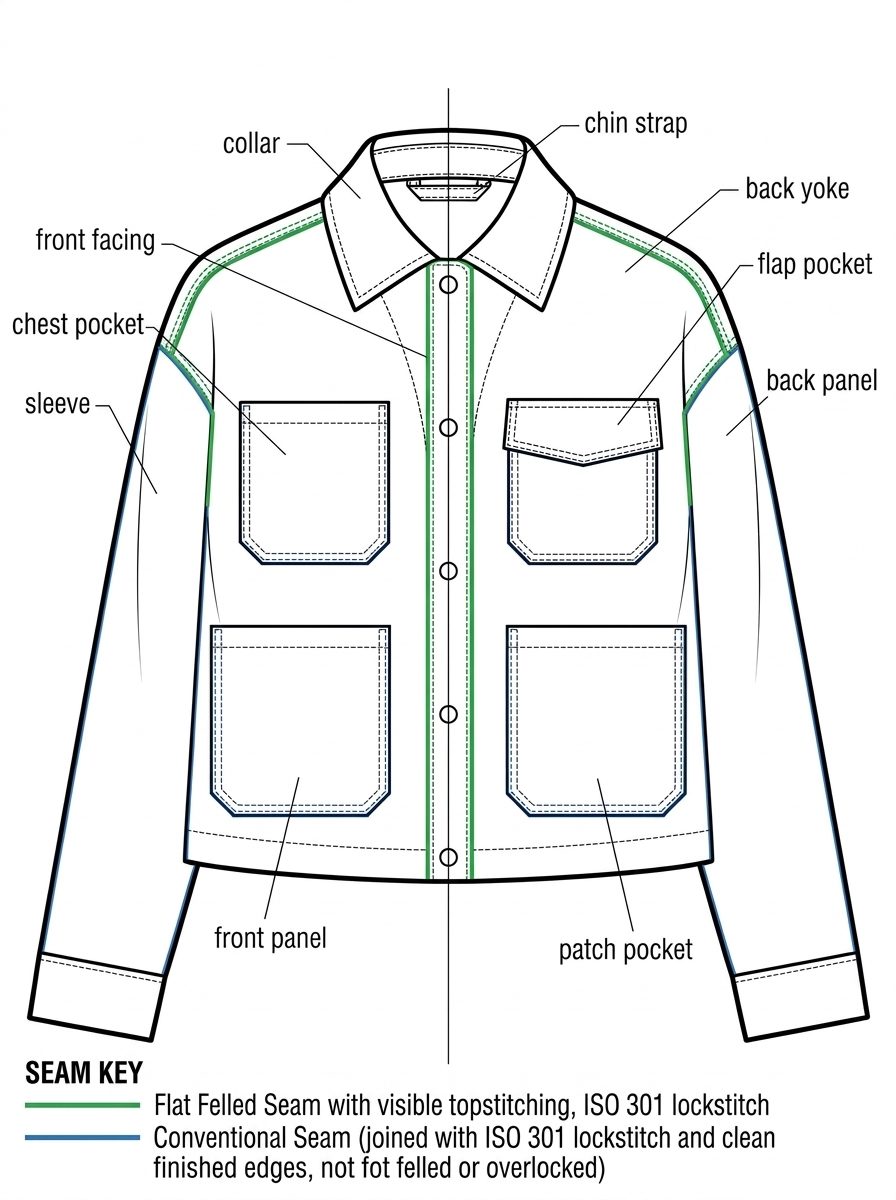
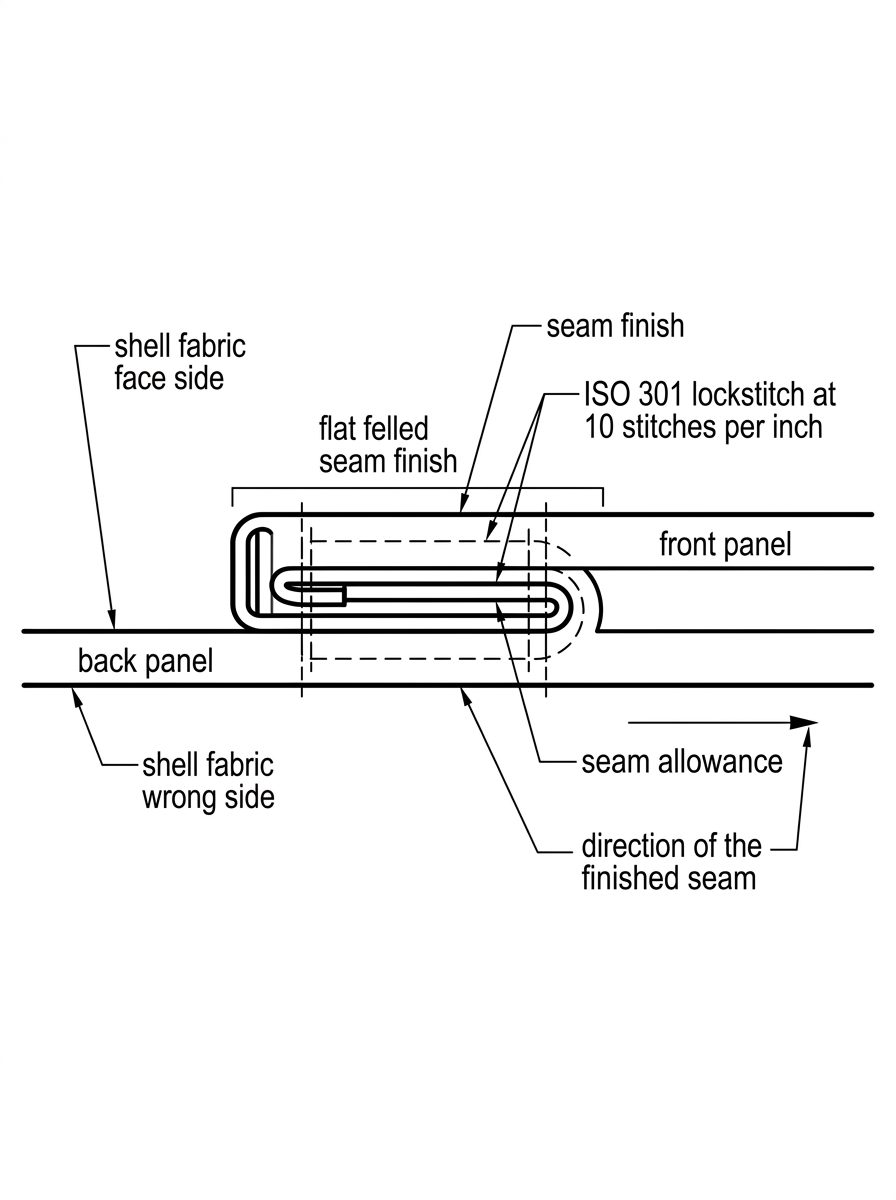
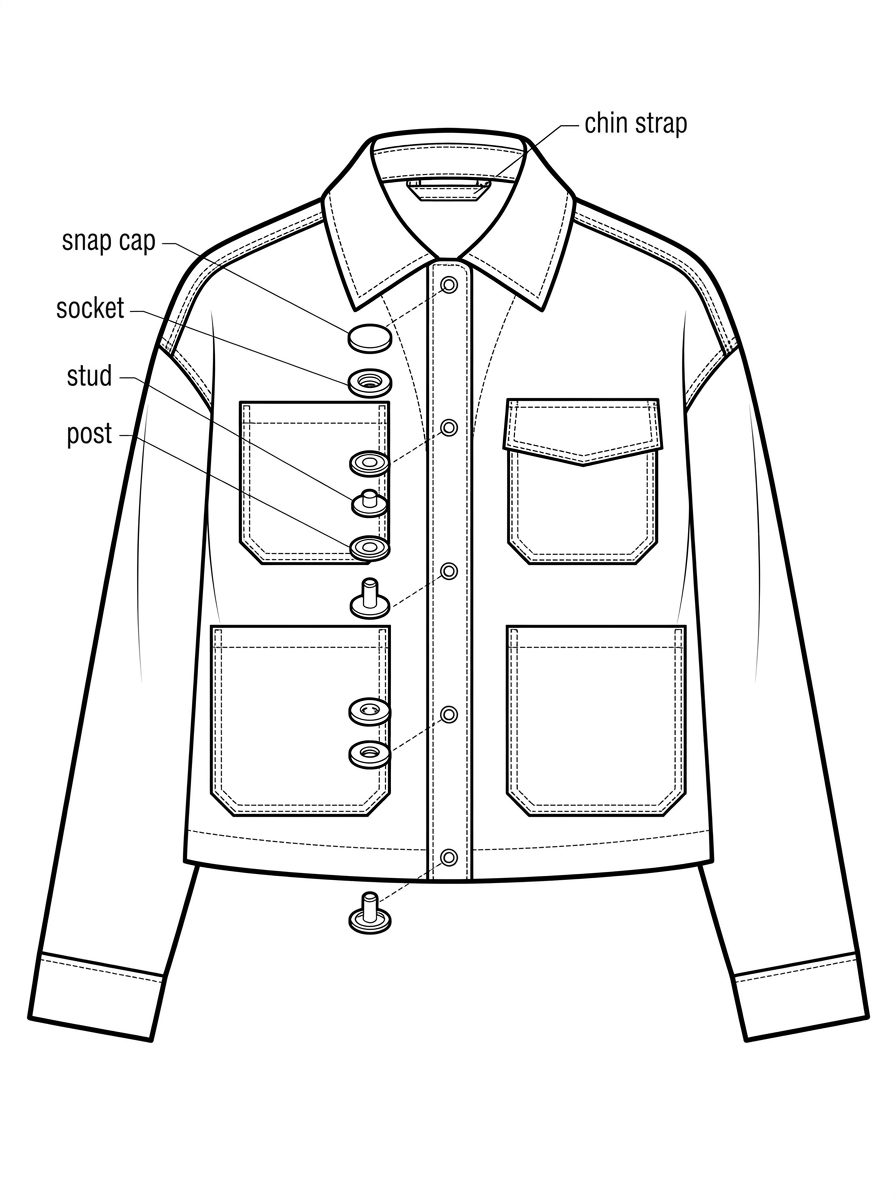
All ten land in one ZIP alongside a print-ready PDF and the raw data file. See exactly what is in the folder →
114 garments, on 13 blocks.
A pattern block is the foundation a garment is cut from, and it decides what is even possible — a jersey top block has no crotch seam and no sole, so it can never grow one. Pick a block to see what sits on it, and how many rules guard it.
Jersey / knit top block
Edit it in words, and know what that costs before you press the button.
Every field on a finished pack can be edited. But changing a season name and changing a silhouette are not the same act — one is a label, the other is a different garment. Seamix sorts every edit into one of three kinds and tells you which one you are about to make, before you confirm it.
Nothing moves but the words
Labels and metadata. Change them and the garment is untouched.
- Style name, brand, season, version
- Pantone reference on a colourway
- Thread specification, labelling, folding, packaging
A real specification change
The garment is still the same garment, but a physical number moved — so the pack re-runs its checks and re-issues its verdict.
- Fabric weight, stitch type, stitches per inch
- A base size measurement, or a tolerance
That is a different garment
Change the shape, the material identity or how it is put together and the existing drawings no longer describe it. Seamix says so rather than leaving you with a pack that quietly disagrees with itself.
- Silhouette, fit profile, design intent
- Material name or composition
- Seam architecture
Four things that never change.
Your brand’s fit, kept
Measure a shirt you already love, or type your own block in, and Seamix saves that body. Every pack you make on that block afterwards starts from your fit instead of a standard one — and the pack says on its face whose body it was drafted from.
Your photographs are never stored
You can attach up to three reference pictures to any brief, on any plan. They are never written to your project, your version history, or an export. They exist in the tab you are working in, until that run finishes, and nowhere else.
Your designs are yours
Seamix claims no ownership of anything you make, on any plan. Two honest caveats worth knowing: AI-made material can carry limited copyright protection in some countries, and owning a design does not mean it is clear of somebody else’s trademark. Both are covered properly in the FAQ.
Downloading never costs
Exports, PDFs, ZIPs, manual edits, viewing, share links and version history are all free and always have been. You pay to make a pack, not to hold on to it.
Every paid plan includes the whole pack — all 7 sections, nothing held back. Plans differ only in how many packs you make each month. Your first pack is free, no card.
The whole thing starts with one sentence.
Describe what you want to make. Your first tech pack is free, no card, and every page of it stays yours to check.